Subtle Anatomy • Chakras • Nāḍīs • Prāṇāyāma • Five Vāyus • Mudrā • Mantra • Nāda Yoga • Sound Bowls • Affirmations • Intention • Class Themes
Bringing the subtle practices of yoga into the classes you already teach, including an introduction to Tibetan & crystal sound bowls.
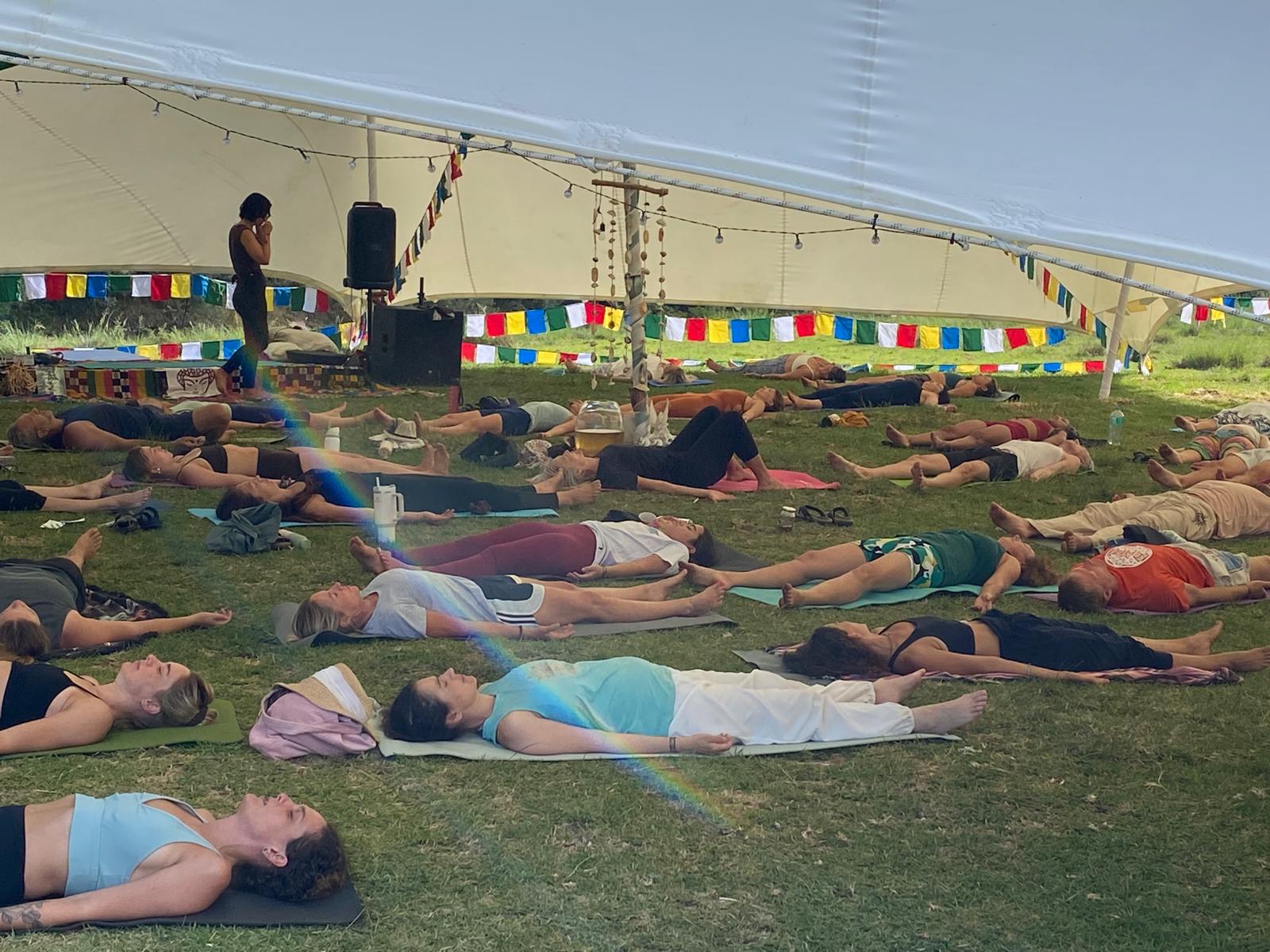
How do we bring more of the subtle aspects of yoga into the āsana classes we already teach? As yoga teachers, much of our class time is naturally devoted to the physical practice of āsana: teaching alignment, position and action in the poses, movement, breath, modifications and safe transitions. But yoga is so much more than āsana.
How can we weave prāṇāyāma, subtle anatomy, mudrā, mantra, sound, intention, pratyāhāra, dhāraṇā and the Five Vāyus into the classes we already teach, in ways that feel natural, accessible and meaningful?
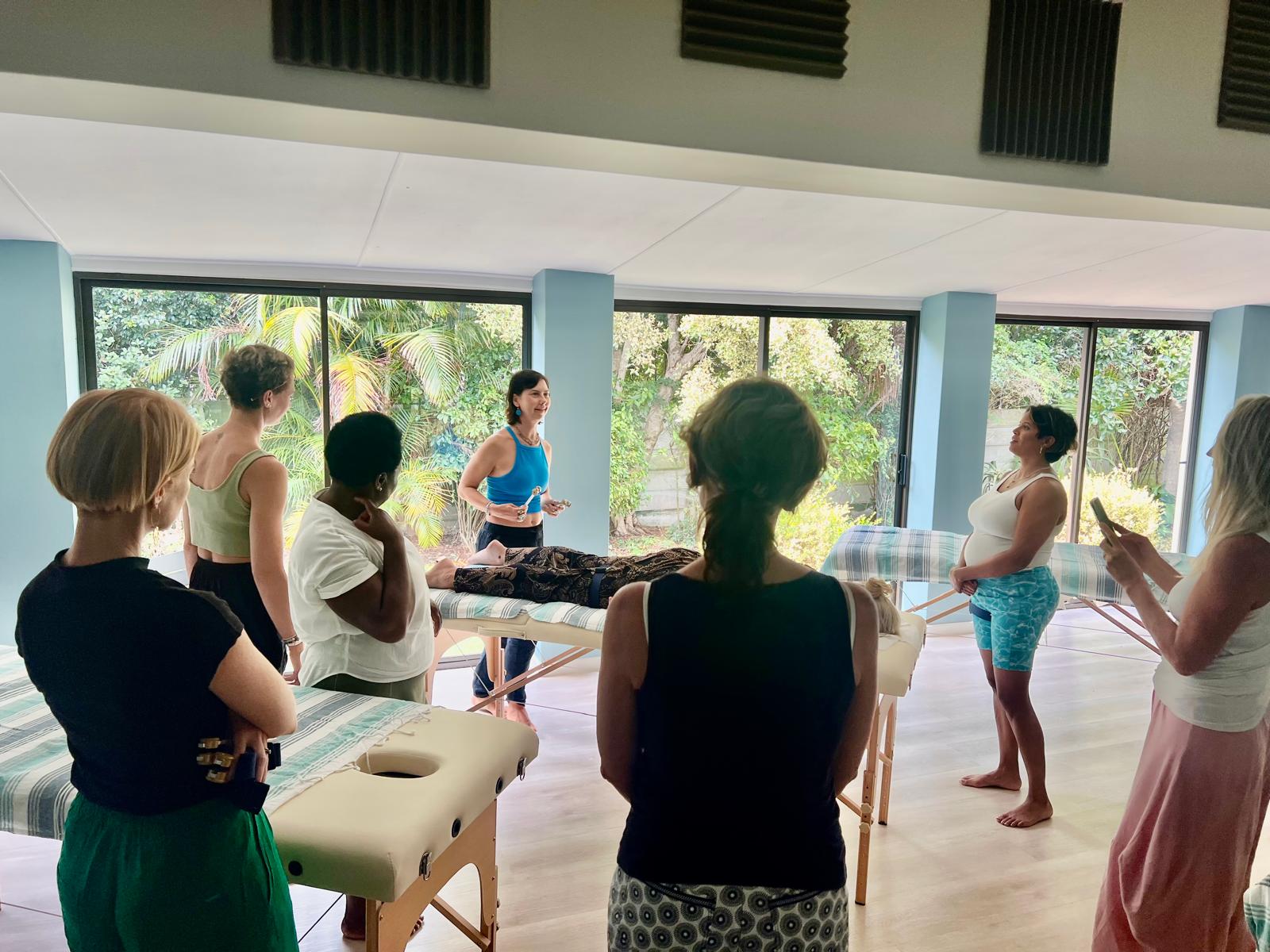
Yoga Beyond Āsana is a 7.5-hour experiential continuing education course presented over three Wednesdays, with one 2.5-hour session each week. The course is taught live online, giving participants the opportunity to learn, experience the practices, ask questions and explore ways of integrating them into their own teaching. It is designed for yoga teachers who want to expand their teaching toolbox and bring more of the richness of yoga's Eight-Limbed Path into the regular āsana classes they already teach.
Subtle & astral anatomy
- Prāṇa, vital life-force energy
- Iḍā, Piṅgalā and Suṣumṇā nāḍīs, the principal energetic pathways
- The seven principal chakras and their bīja mantras
- The Five Prāṇa Vāyus: Prāṇa, Apāna, Samāna, Udāna and Vyāna
Prāṇāyāma, the breath as a bridge
One of the most accessible ways to move beyond the purely physical experience of yoga. We experience selected prāṇāyāma practices and explore how they fit naturally into a regular class.
Mudrā • Mantra • Sound • Affirmation • Intention
A hand mudrā while students are centering. A conscious intention or saṅkalpa. An affirmation that supports the theme of the class. Chanting AUM, a bīja mantra, the voice, or inviting students to experience vibration followed by silence. We touch on Nāda Yoga, the yoga of sound, as a pathway for drawing awareness inward.
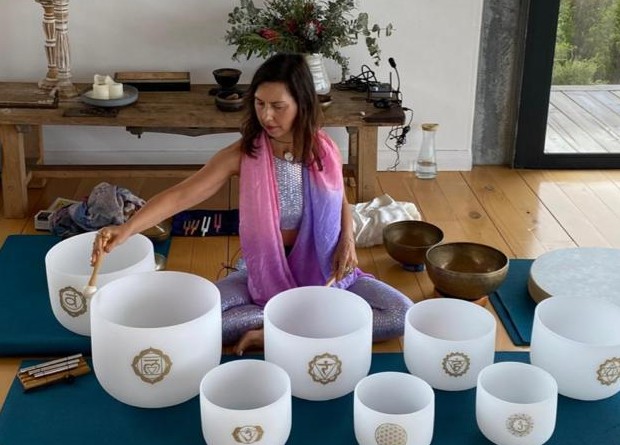
Introduction to Tibetan & crystal sound bowls
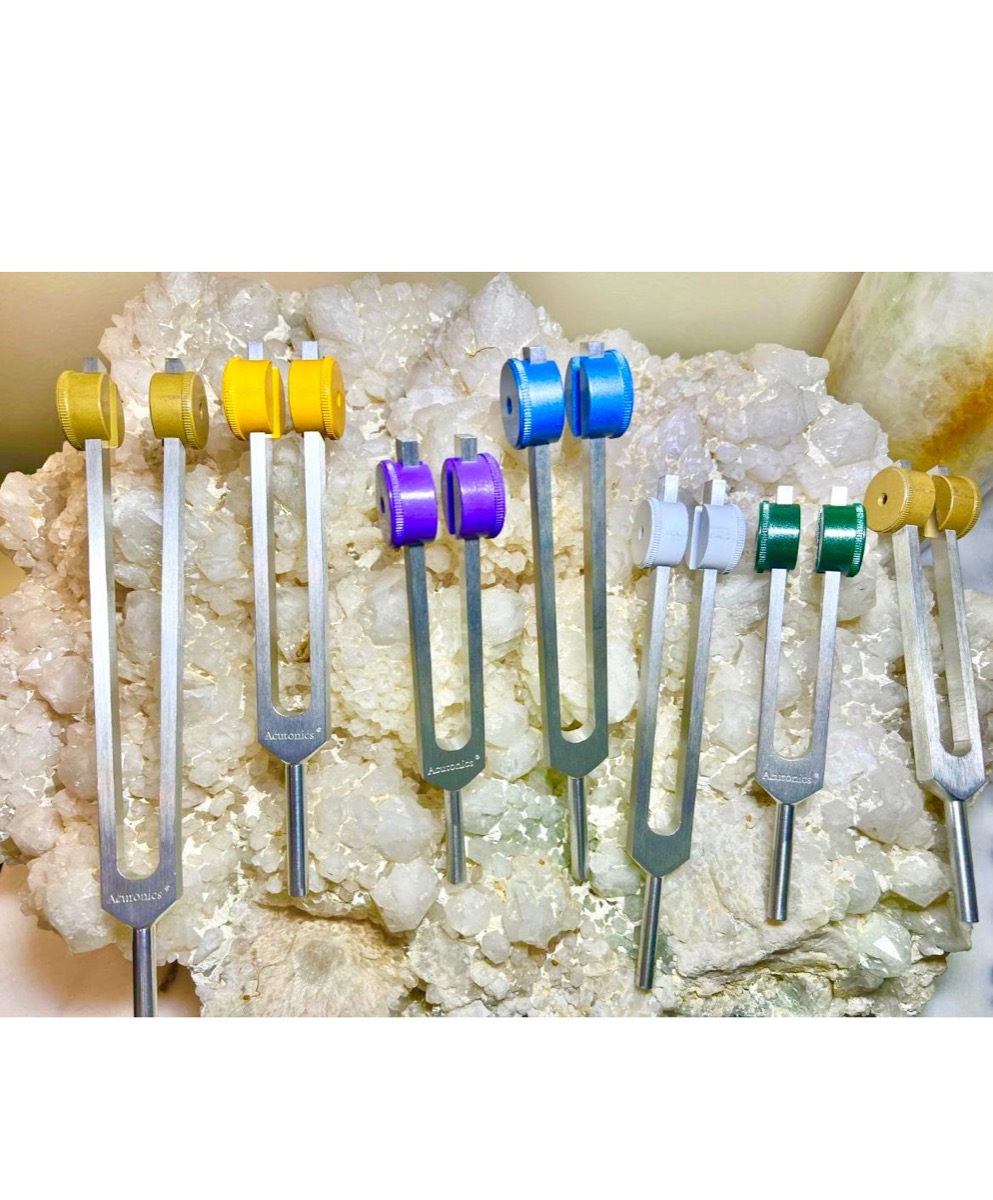
As part of our exploration of sound, participants receive an introduction to Tibetan and crystal sound bowls, tuning forks and other sound tools, with practical ideas for bringing sound into a yoga class. You do not need to own a sound bowl or tuning forks to participate.
Course goals
By the end of this 7.5-hour course, participants will be able to:
- Explore the traditional yogic understanding of prāṇa and the subtle body, and learn practical ways to introduce these concepts within an āsana class.
- Identify Iḍā, Piṅgalā and Suṣumṇā nāḍīs and explore ways to weave subtle-body awareness into yoga teaching.
- Explore the seven principal chakras, their traditional qualities and their associated bīja mantras.
- Understand the locations, directions, qualities and functions of the Five Prāṇa Vāyus and how awareness of the Vāyus can be incorporated into practice and teaching.
- Experience selected prāṇāyāma practices and consider how they fit into centering, āsana, preparation for Śavāsana and the transition toward deeper inner awareness.
- Explore hand mudrās, mantra, AUM, bīja sounds, affirmations, visualization and intention, with practical ideas for class themes and regular classes.
- Experience Nāda Yoga, sound and inner listening, including an introduction to Tibetan and crystal sound bowls, tuning forks and other sound tools.
- Explore pratyāhāra and dhāraṇā through simple experiential practices and learn ways to introduce these subtler limbs of yoga to students.
- Develop practical ways to weave these teachings into centering, class themes, āsana, prāṇāyāma and Śavāsana without turning a regular class into a philosophy lecture.
Format
Live online via Zoom. Three Wednesdays, 2.5 hours each. 7.5 Yoga Alliance CE hours.
Who it's for
Yoga teachers who want to expand their teaching toolbox. You do not need to own a sound bowl or tuning forks.
Dates & times
Wednesdays, October 14, 21 & November 4, 2026. The class is always at 8:00 AM Pacific Time.
October 14 & 21
- 8:00–10:30 AM, Pacific (PDT)
- 4:00–6:30 PM, United Kingdom (BST)
- 5:00–7:30 PM, Amsterdam / Central Europe (CEST)
- 5:00–7:30 PM, South Africa (SAST)
November 4 (after daylight saving time ends)
- 8:00–10:30 AM, Pacific (PST)
- 4:00–6:30 PM, United Kingdom (GMT)
- 5:00–7:30 PM, Amsterdam / Central Europe (CET)
- 6:00–8:30 PM, South Africa (SAST), one hour later
Clocks change in Europe on October 25 and in the US on November 1. South Africa does not change its clocks, so the November 4 session starts an hour later there.
Once your payment has been received, you will receive the Zoom link.
Course fee
Register and pay by September 30, 2026.
October 1–14, 2026.